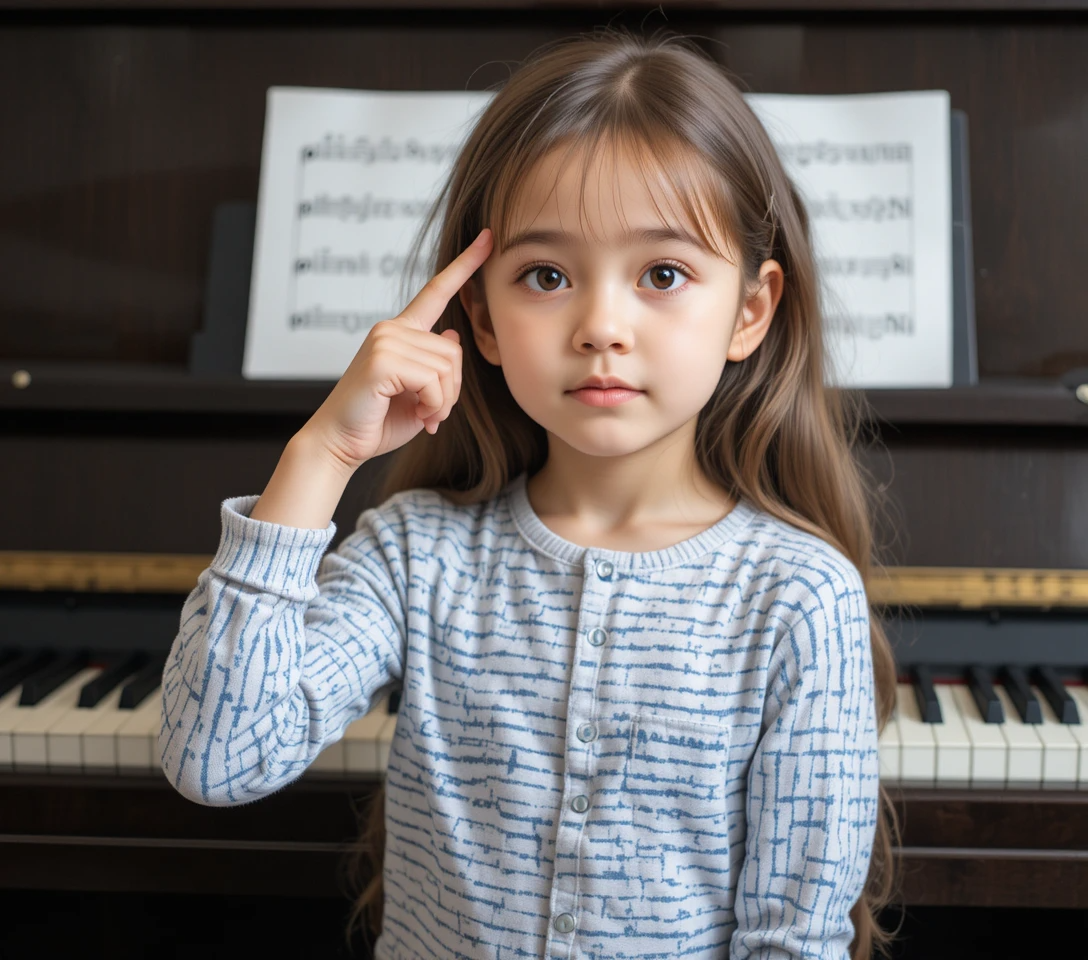

The Piano Edge
How Music Education Transforms
Your Child's Future Success
By Francis C. Steeno
About the Book
The Piano Edge reveals what happens in a child's brain when they learn piano—and why those changes matter far beyond music. Through the lens of neuroscience, educational research, and nearly two decades of hands-on teaching experience with over one hundred students, Francis Steeno demonstrates that piano lessons represent far more than an artistic pursuit.
The book explores how piano education transforms children's cognitive abilities, academic performance, character development, and lifetime success. From improved processing speed and coordination to enhanced discipline and emotional intelligence, the benefits extend into every area of life. Parents will discover not only why piano works so effectively, but how to get started and what to expect on this transformative journey.

(click banner to visit website)
click banner to visit website

This isn't just a book about music education—it's about giving your child a measurable, lasting advantage in an increasingly competitive world.
— Francis Steeno
What You'll Get
10 comprehensive chapters backed by neuroscience
Real stories from nearly 20 years of teaching experience
Practical guidance for choosing teachers and instruments
Research-backed strategies for child development
Extras
Historic evolution of the piano
Differences between acoustic & digital pianos
Piano innovation and technology
MIDI made simple

Consider This
In today's fast-paced, technology-driven world, parents face an overwhelming array of choices when it comes to their children's education and development. Among the noise of countless activities, programs, and enrichment opportunities, one stands out with decades of research and real-world results:
Piano Education.

This isn't just a book about piano education—it's about giving your child a measurable, lasting advantage in an increasingly competitive world.
— Francis Steeno
Why Piano Education Matters
Cognitive Development
Enhances processing speed, coordination, and executive function through intensive mental training.
Academic Achievement
Improves grades, test scores, and learning efficiency across all subjects through enhanced brain capabilities.
Character Building
Develops discipline, resilience, and delayed gratification through consistent practice and achievement.
Lifelong Benefits
Creates lasting neurological changes and provides joy, emotional expression, and cultural enrichment for life.
What You'll Discover
Book Chapters:
The Educational Crisis and the Piano Solution
Understanding modern learning challenges and why piano offers unique solutions
The Coordination Revolution
How piano develops unmatched coordination that transfers to all learning
The Speed of Thought
Discovering the 60 operations per second that build mental agility
The Neuroscience of Piano Playing
Brain hemisphere development and corpus callosum enhancement
Real Stories from the Piano Bench
Transformative experiences from nearly 20 years of teaching
Beyond the Keyboard
Character development, social benefits, and professional opportunities
Addressing Parents' Common Concerns
Practical answers to talent, practice, cost, and commitment questions
Getting Started
Practical guidance for choosing teachers, instruments, and supporting development
The Research Foundation
Scientific evidence from cognitive studies and neurological research
Your Child's Piano Edge
Making the investment decision and taking action for your child's future
Amazing Mental Agility
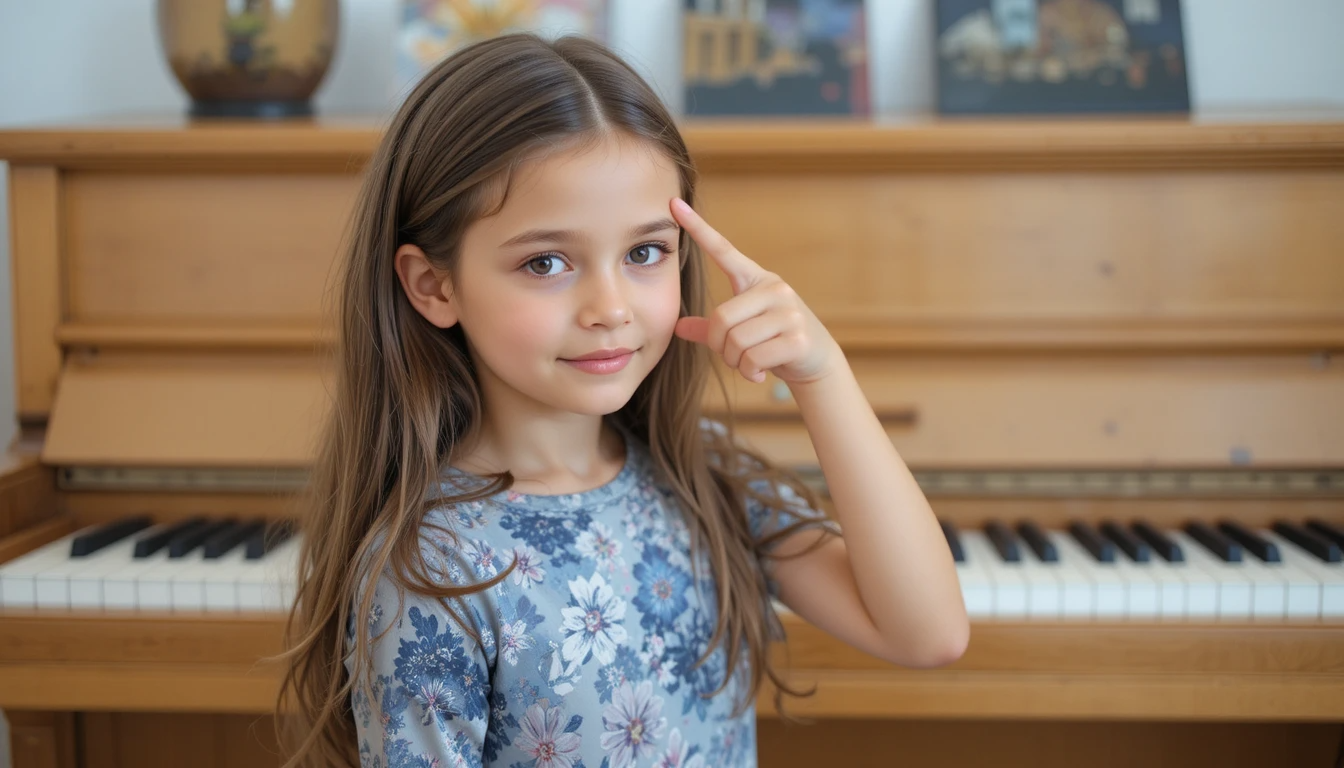
It's difficult to say how many mental operations your brain is processing at once, but it is a relatively complex set of calculations, articulations, and execution of movements.
When a student is sight-reading a piano piece, there is a plethora of mental operations happening at once. Eyes and brain recognizing the music notation, which is separated by treble clef and bass clef, both require a separate knowledge of lines and spaces. Now follow the path out to your hands and ten fingers. That's just the start. The music language is full of terms, symbols and instructions like no other. It is juggling of information at rapid speed.